

What Makes a Business Strategy "Green?"
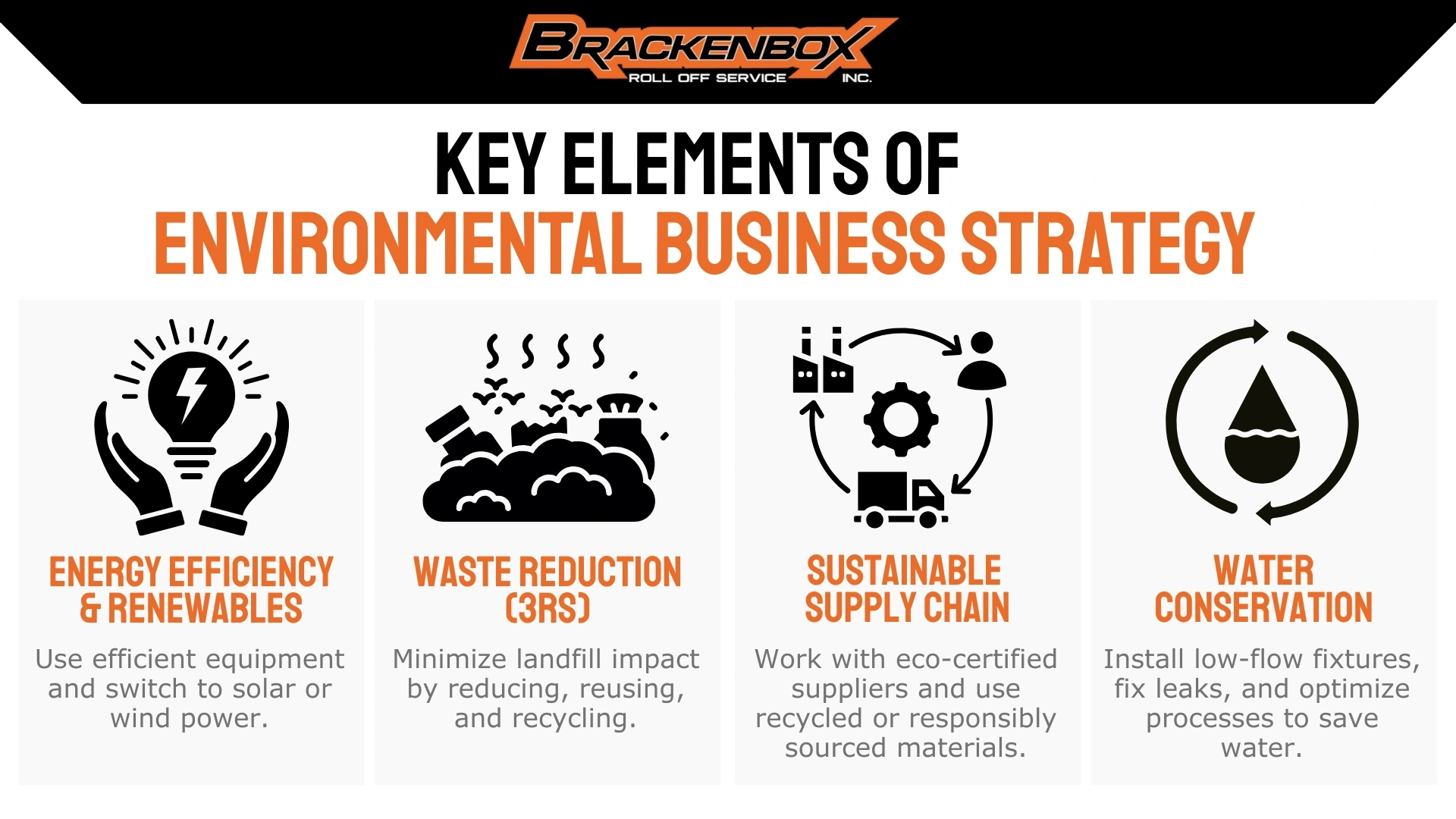
A green business strategy means weaving environmental responsibility into how your company operates, makes decisions, and delivers value. The meaning of green business extends beyond recycling bins in the breakroom or switching to LED bulbs. Instead, it's about examining every aspect of business operations through an environmental footprint lens.
Energy Use and Renewable Sources
Reducing energy consumption cuts costs while shrinking your carbon footprint. Start by upgrading to energy-efficient equipment and lighting, then explore renewable energy options like solar panels or purchasing green power from your utility provider. Many businesses find that the upfront investment pays for itself through lower monthly bills.
Waste Reduction Through the 3Rs
The waste hierarchy prioritizes reducing waste first, then reusing materials, and finally recycling what can't be reused; these are the essential components of any sustainability plan.
- Reduce: Rethink your packaging to use less material and eliminate unnecessary waste at the source through process improvements and smarter purchasing decisions.
- Reuse: Find creative ways to repurpose items instead of discarding them, from pallets to office furniture to construction materials.
- Recycle: Establish robust recycling programs that capture materials like cardboard, metal, and plastics. When facility improvements generate debris, proper dumpster sizing ensures you handle materials efficiently without paying for unused space.
Sustainable Sourcing and Supply Chain Management
Your environmental impact extends through your entire supply chain. It’s crucial to find supply chain partners who share your sustainability values. Supply chains account for significant portions of most companies' carbon emissions.
Choose suppliers who practice responsible sourcing, opt for recycled or sustainably harvested raw materials when sourcing raw materials, and work with partners who maintain environmental certifications. This approach ensures your green efforts don't stop at your warehouse door and supports supply chain sustainability through circular supply chain models.
Water Conservation Practices

Water scarcity impacts businesses worldwide, making conservation both environmentally and economically smart. Install low-flow fixtures, fix leaks promptly, capture rainwater for landscaping, and examine manufacturing processes for water-saving opportunities, all of which are key to sustainable operations.
Competitive Advantages of Going Green
Environmental responsibility delivers tangible business benefits beyond feeling good about your impact. Companies that integrate sustainability strategically often outperform competitors across multiple dimensions.
- Cost savings through efficiency: Energy-efficient operations reduce utility bills by 20-30% or more, while waste reduction cuts disposal costs and reveals process inefficiencies that were wasting money.
- Risk management and resilience: Companies with sustainable practices face less exposure to supply chain disruptions, regulatory penalties, and reputational damage from climate-related events.
- Talent attraction and retention: Top talent increasingly prioritizes working for companies with strong environmental values, reducing recruitment costs and maintaining institutional knowledge.
- Market access and brand differentiation: Consumers gravitate toward brands that showcase a genuine environmental responsibility, while B2B customers often require suppliers to meet sustainability standards to do business.
Over time, these advantages compound and create competitive differences that become increasingly difficult for rivals to overcome.
Steps to Create a More Sustainable Business Strategy
Moving from vague environmental goals to concrete action requires a systematic approach. Here's how our team at Brackenbox recommends integrating sustainability into business strategy effectively without disrupting operations or breaking the bank.
Step 1: Assess Your Current Environmental Impact

Conduct an environmental audit examining your current energy consumption, greenhouse gas emissions, waste generation, water usage, and material sourcing. This baseline data reveals your biggest impact areas and helps prioritize efforts where you'll see the greatest return.
Look for obvious inefficiencies, such as equipment running unnecessarily overnight, excessive packaging waste, or outdated HVAC systems burning through energy.
Step 2: Set Clear, Measurable Goals
The UN Sustainable Development Goals provide a framework for setting meaningful targets that address global challenges. Choose goals relevant to your industry; perhaps reducing carbon dioxide emissions by 30% within five years or achieving zero waste to landfill by 2028.
Make objectives SMART: Specific, Measurable, Achievable, Relevant, and Time-bound. "Reduce waste" means nothing; "Divert 75% of facility waste from landfills by December 2026" creates accountability. To track the success of your sustainability program, establish key performance indicators.
Step 3: Engage Stakeholders at Every Level
Frontline workers often spot inefficiencies that management overlooks. Create channels for sustainability suggestions and reward innovative ideas. Communicate your journey transparently with customers, especially because most consumers appreciate honest effort over greenwashed perfection. Extend sustainability standards to your supply chain through clear requirements and collaborative problem-solving.
Step 4: Create a Detailed Action Plan

Break large goals into specific projects with clear ownership, deadlines, and budgets. Prioritize high-impact actions that deliver the biggest environmental benefit relative to cost. For example, installing motion-sensor lights might offer more immediate impact than redesigning your entire product line. When planning facility renovations, factor in proper debris disposal from the start to avoid delays and environmental violations.
Step 5: Embed Sustainability in Company Culture
Include sustainability metrics in employee evaluations and compensation structures. When green goals affect bonuses or promotions, they become priorities rather than afterthoughts. Environmental considerations should be the standard criteria for all business decisions, from purchasing to strategic planning.
Step 6: Monitor Progress and Report Transparently
Tools like the Global Reporting Initiative (GRI) or CDP (formerly Carbon Disclosure Project) provide standardized methods for tracking and reporting environmental performance. Regular sustainability reports demonstrate accountability and progress. If you fall short, don’t hide; stakeholders respect honesty about challenges more than silence.
Waste Management as a Sustainability Priority
Effective waste management directly supports green business objectives while reducing costs. Many companies overlook the environmental and financial impact of their waste streams until they conduct a thorough audit.
Sort Materials for Maximum Diversion
Separating waste streams increases recycling rates and reduces landfill costs. Designate areas for metal, wood, cardboard, and general trash. For renovation projects, a 20-yard dumpster provides enough capacity to keep materials separated on-site. When contractors handle demolition work, proper sorting can recover valuable materials like metal that can help offset disposal costs.
Track Waste Metrics
Measure what gets thrown away, how much ends up recycled, and disposal costs per project. These metrics may seem tedious to collect, but they reveal opportunities for waste reduction and help demonstrate ROI on sustainability initiatives. Many businesses discover that better waste management alone justifies broader environmental investments.
Optimize Container Selection
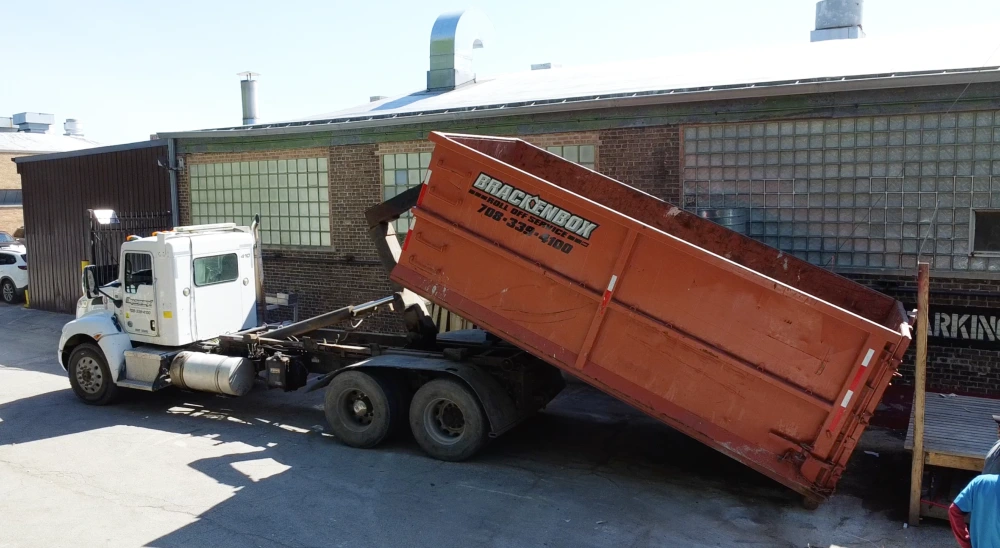
Paying for a container that's too large wastes money, but one that's too small causes project delays:
- Small cleanouts: A 10-yard dumpster handles office cleanouts and minor renovations efficiently.
- Major construction: A 30-yard container accommodates substantial debris from large-scale projects.
- Maximize efficiency: Efficient container loading reduces the number of hauls needed, reducing costs and emissions.
Common Challenges and Solutions
Every business faces obstacles when implementing sustainability initiatives. The key is to anticipate these challenges and plan responses to increase your chances of success.
Budget Constraints
Focus first on initiatives with rapid payback periods, using savings to fund subsequent projects. Calculate total cost of ownership rather than just upfront costs — energy-efficient equipment often pays for itself within a few years through reduced operating expenses. For renovation projects that improve sustainability, efficient container loading reduces the number of hauls needed, cutting both costs and emissions.
Measuring Impact
Establish clear metrics before you implement changes, using frameworks like GRI or CDP for standardized measurement:
- Hard savings: Track reduced utility costs, lower disposal fees, and decreased water consumption.
- Soft benefits: Monitor employee engagement scores, customer perception data, and brand loyalty metrics.
- Compliance tracking: Document adherence to government regulations to reduce risk exposure and ensure regulatory compliance.
Resistance to Change
Involve employees in planning sustainability initiatives, and clearly communicate both the "why" and the "what's in it for me." Celebrate early wins and recognize team members who champion eco-friendly practices. When employees see cost savings and operational improvements, resistance typically fades, especially when employee engagement strategies highlight economic value.
Real-World Applications by Industry

Sustainability strategies vary across sectors, but every industry has opportunities to reduce its environmental footprint while improving operations.
Manufacturing and Industrial
Manufacturers optimize production schedules to reduce energy consumption, implement closed-loop systems that recycle processed water, and redesign products for easier disassembly and recycling. Facility upgrades often generate substantial waste, and commercial dumpster rental ensures that industrial materials are handled compliantly.
Retail and Consumer Goods
Retailers eliminate single-use plastics, install LED lighting and smart HVAC systems, offer product take-back programs, and partner with suppliers who maintain environmental certifications, all of which are key elements of business sustainability. Store renovations must be planned carefully, and choosing the right dumpster rental company supports sustainability goals while keeping projects on schedule.
Service Industries
Professional offices reduce footprints through telecommuting policies, paperless operations, and green building certifications:
- Eco-friendly operations: Choose cleaning products and office supplies with environmental certifications that reflect environmental stewardship.
- Optimize transportation: Service providers can plan routes to reduce greenhouse gas emissions and fuel consumption.
- Sustainable materials: Select recycled or sustainably sourced materials for any physical products used in service delivery to practice responsible sourcing.
Start Building Your Green Business Strategy Today
Creating a sustainable business strategy requires examining every angle of operations, from energy efficiency to waste management. A sustainable business strategy involves assessing current sustainability performance, setting measurable goals, engaging stakeholders through stakeholder engagement, and continuously improving performance.
Brackenbox provides dumpsters for rent in Chicago and throughout the Chicagoland area, helping businesses manage waste responsibly during sustainability transitions and beyond. Contact us to discuss how our services support your environmental strategy.

FAQ
Ready to Clear the Way for Green Operations?
At Brackenbox, we provide reliable dumpster rentals across Chicagoland to handle debris responsibly during sustainability initiatives.
Rent a Dumpster
You Need?


